


Blocked drains are one of the most common drainage problems in UK properties.
They can affect internal fixtures, external gullies, shared drainage systems, and even public sewers, with symptoms ranging from slow drainage to flooding and overflows.
This guide explains what blocked drains are, why they occur, and how blockages typically develop within a drainage system. It focuses on understanding the problem rather than recommending specific tools or repairs.
What Is a Blocked Drain?
A blocked drain occurs when the normal flow of wastewater or surface water is restricted by a buildup of material inside the pipework. Blockages can form gradually over time or develop suddenly following changes in usage or external conditions.
Blockages may occur in:
The location of the blockage is important, as it often determines responsibility as well as how the problem presents.
Common Causes of Blocked Drains
Blocked drains are usually caused by a combination of materials entering the drainage system and conditions that allow them to accumulate.
Fats, Oils, and Grease (FOG)

Grease and fat can enter drains in liquid form and solidify as they cool. Over time, this creates sticky deposits that trap other debris and restrict flow.
Non-Flushable Items
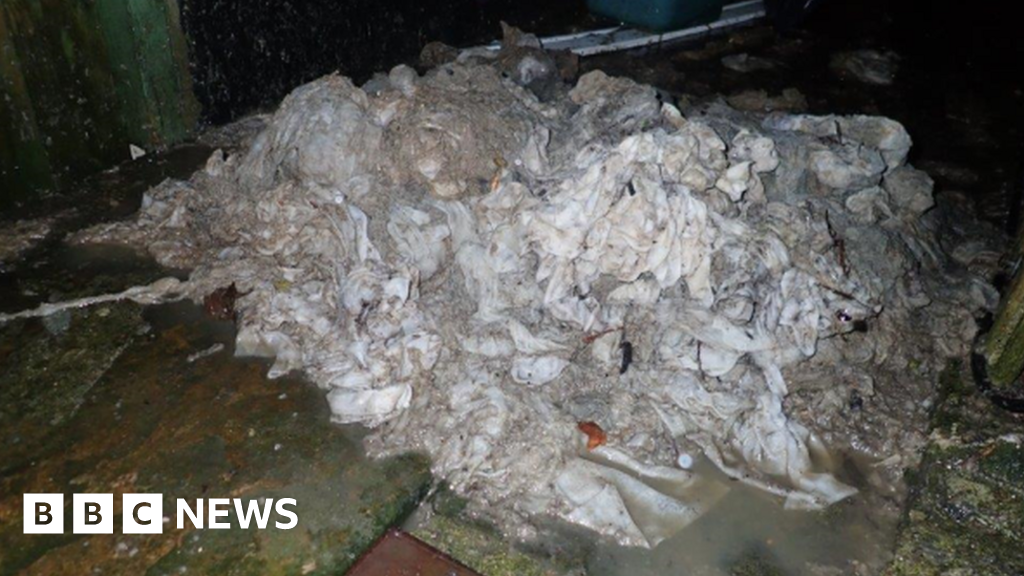
Items marketed as “flushable,” such as wipes, often do not break down in the same way as toilet paper. These materials can snag on joints or rough surfaces within pipework and contribute to blockages.
External Debris

Leaves, soil, silt, and litter can enter external drains and gullies, particularly during heavy rainfall or poor maintenance.
Tree Roots
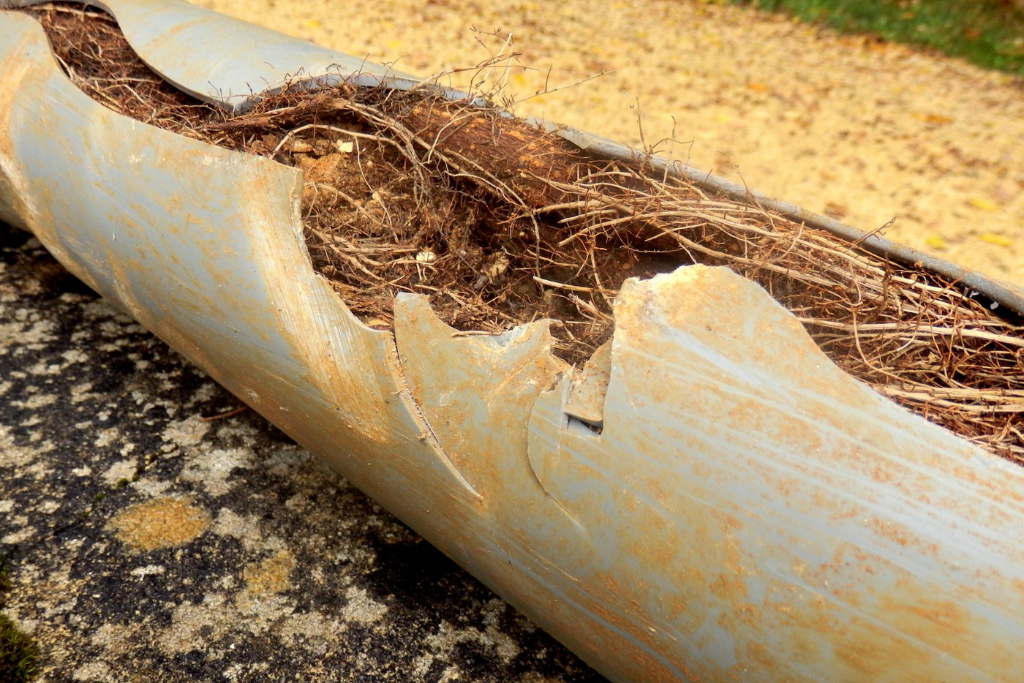
Roots are naturally drawn to moisture and can enter drains through joints or cracks. Once inside, they can expand and trap waste, leading to recurring blockages.
Many blockages do not form suddenly. Instead, they develop gradually as material accumulates at points of higher stress within the system.
How Blockages Develop Over Time
These locations often include:
Because drainage systems are usually hidden, blockages may go unnoticed until symptoms become severe.
Common Signs of a Blocked Drain
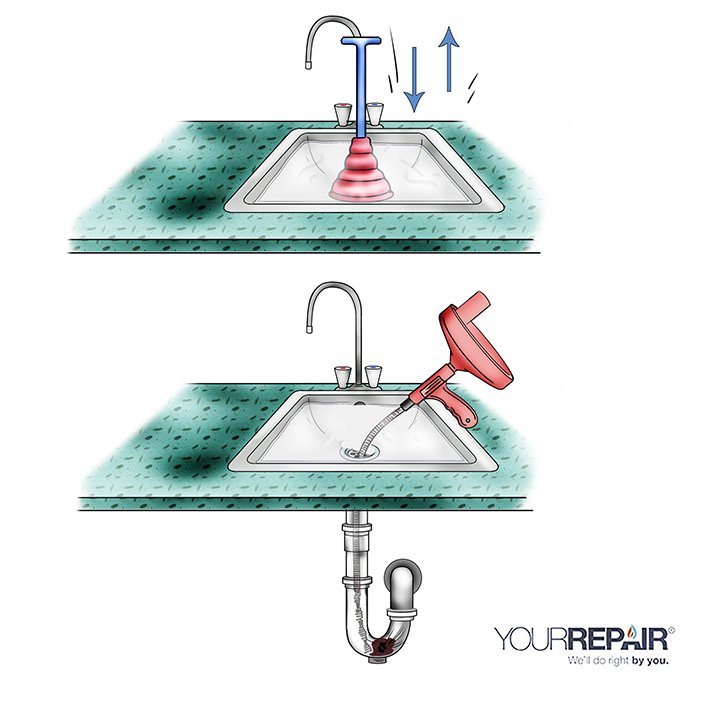
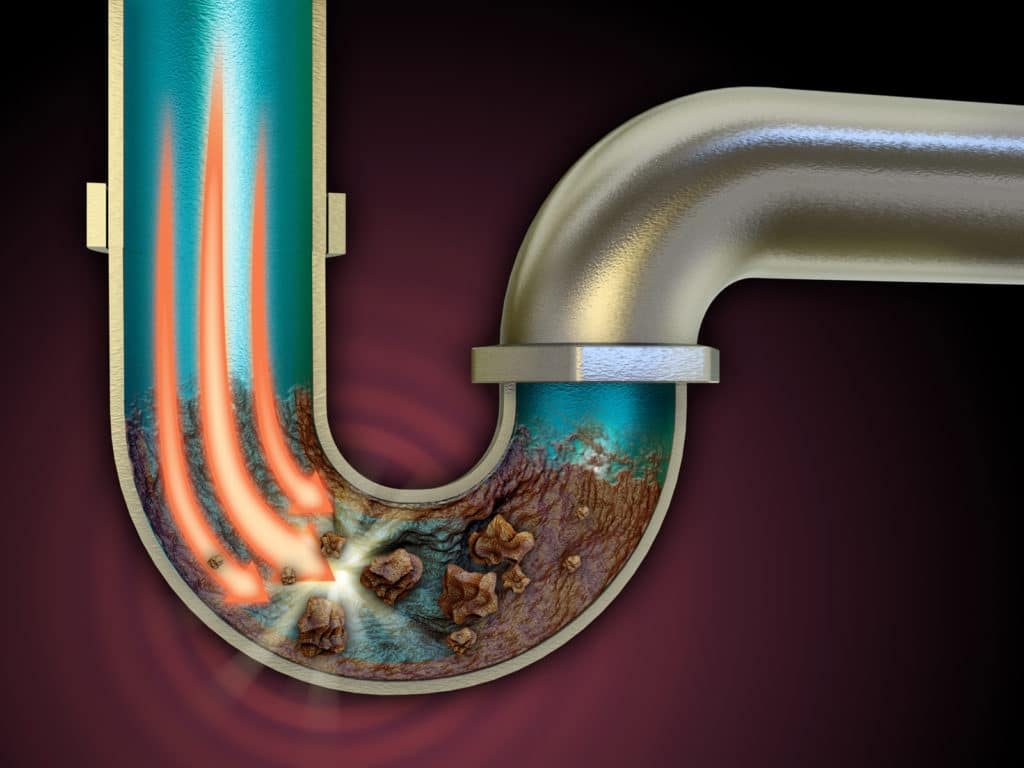
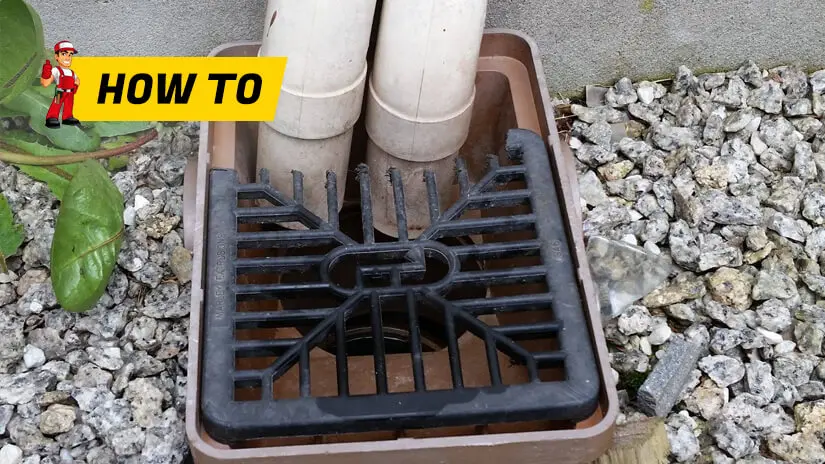
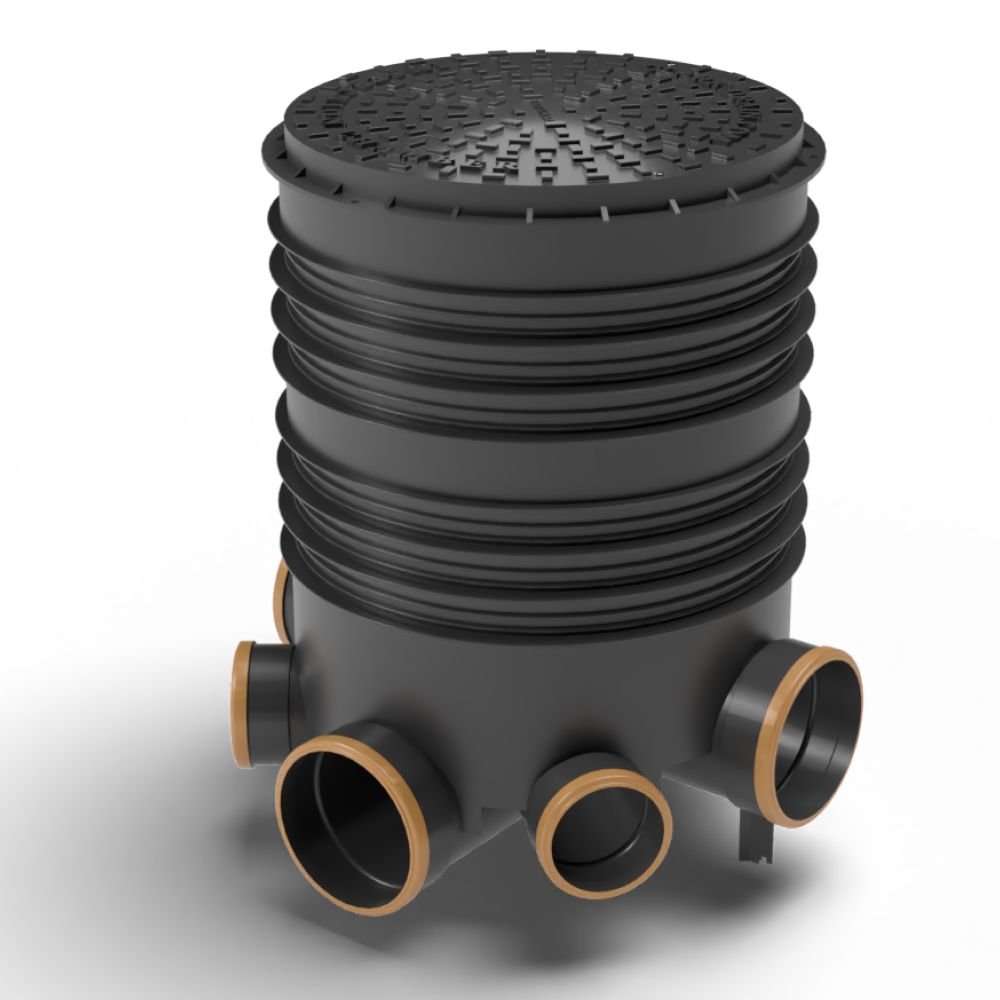
Blocked drains can present in different ways depending on their location and severity.
Typical warning signs include:
Similar symptoms can arise from different causes, which is why correct diagnosis is important.
Internal vs External Blockages
Blockages occurring close to internal fixtures often affect a single outlet or appliance, while blockages in external or shared drains can affect multiple fixtures or neighbouring properties.
Internal blockages are commonly associated with:
External or system-level blockages are more likely to involve:
Understanding where symptoms appear can help narrow down where a blockage may be located.
Responsibility and Blocked Drains
Responsibility for clearing a blocked drain depends on where the blockage is located within the drainage system, not who first notices the problem.
Blockages may fall under:
For a clearer explanation of how responsibility is determined, see the related guidance below.
When Blockages Keep Coming Back
Repeated blockages are often a sign of an underlying issue rather than isolated incidents. Common causes include:
- Structural damage
- Root ingress
- Inadequate pipe gradients
- Historic alterations to the drainage layout
In these cases, repeatedly clearing the blockage may not address the root cause.
Related Guides and Topics
- Drainage Systems Explained
- Drainage Responsibilities Explained
- Common Drainage Problems
References and Further Reading
| Topic | Notes |
|---|---|
| Drain blockages | UK domestic and commercial drainage practice |
| External drainage | Surface water and gully performance |